Positive Change for Marine Life

Helping coastal communities protect the ocean and build sustainable, women-led livelihoods.
Positive Change for Marine Life partners with coastal communities to restore marine ecosystems while creating sustainable livelihoods for women and girls. In the Solomon Islands, their award-winning Waste to Wealth (W2W) program transforms waste challenges into economic opportunities by employing women in recycling, composting, and small-scale enterprises. By addressing waste at its source, W2W empowers women who are un- and underemployed, strengthens community resilience, safeguards cultural knowledge, and protects the world’s second most biodiverse coral reef region.
2025 Pitch
Funds Raised: $42,006
Pitched for support to sustain and expand its Waste to Wealth (W2W) program in the Solomon Islands, ensuring women remain central to leading waste management, recycling and composting initiatives. The project will retain and rehire local women in key roles, support new households to adopt waste solutions, and grow small enterprises that transform plastic and organic waste into valuable resources.
6 Month Impact
12 Month Impact
The funding supported retaining the employment of four essential local women to deliver waste recovery, organic waste composting, and marine pollution prevention through the Waste to Wealth program in the Solomon Islands.
TFN funding supported the following activities:
- Protecting local livelihoods: Supported the employment of Dafisha Aleziru, Sumana Deni, Tracy Silas and Jero Bruno, enabling the continuation of local program coordination, environmental education, waste recovery, organic waste management and community engagement activities.
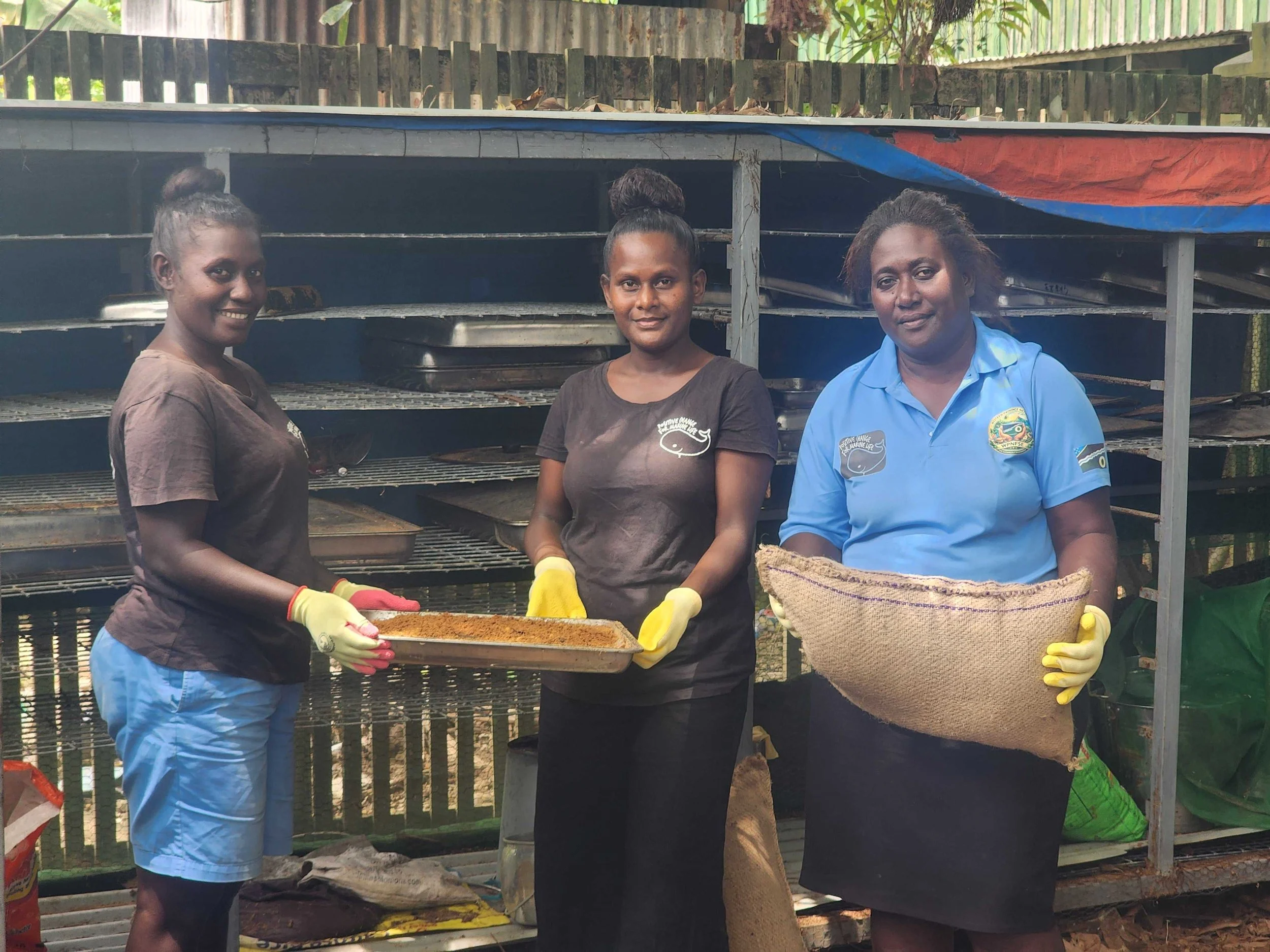
- Gudfala Fly organic waste management: Sustained and developed their community-based composting initiative, including processing 550 kg of organic waste using Black Soldier Fly larvae and associated composting methods during the reporting period.
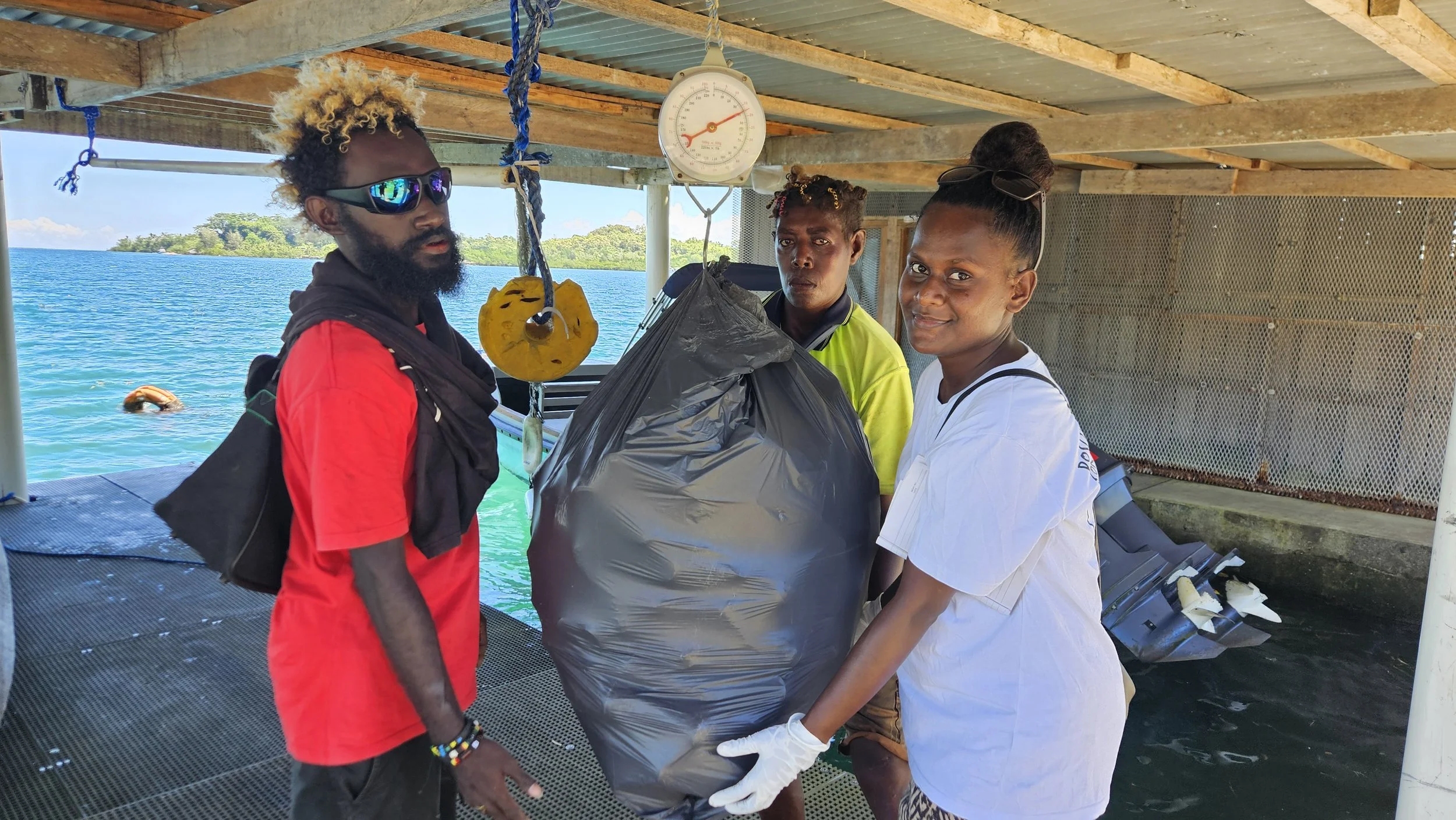
- Waste recovery and sorting: Maintained essential sorting and recovery activities at their Waste Recovery Centre (WRC).
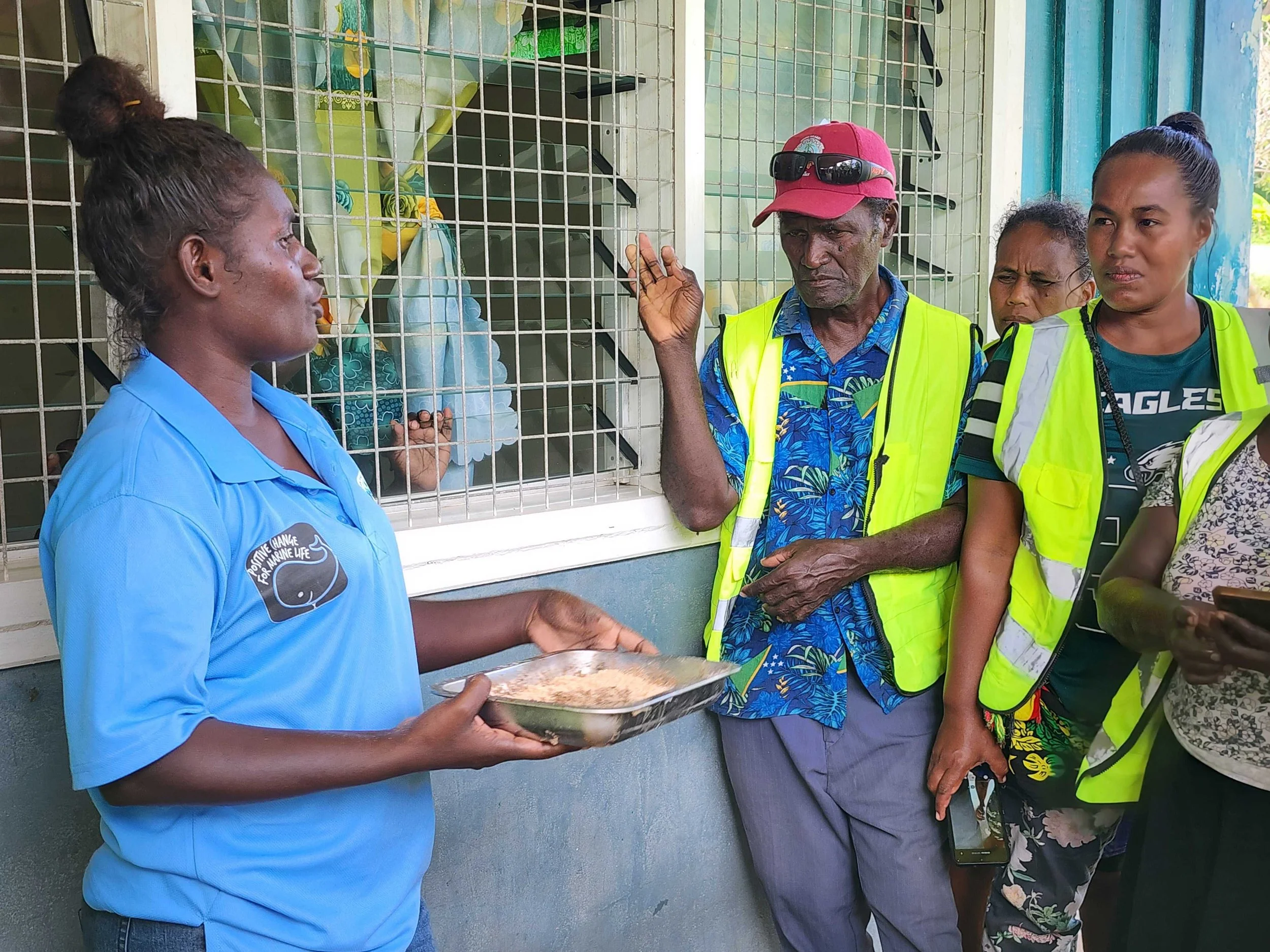
- Skills development and training: Delivered three practical composting and waste segregation training sessions, focusing on women and young people and building local capacity to turn organic waste into productive resources.
- Community and school engagement: Continued waste education activities across Gizo, including collaboration with Gizo Primary School to establish a demonstration garden supporting composting education and sustainable gardening.
- Partnership development: Engaged with organisations including WorldFish, the tourism sector and the Western Province Women's Council to strengthen awareness, share technical knowledge and explore collaborative opportunities around waste management.
- Partnership development: Engaged with organisations including WorldFish, the tourism sector and the Western Province Women's Council to strengthen awareness, share technical knowledge and explore collaborative opportunities around waste management.
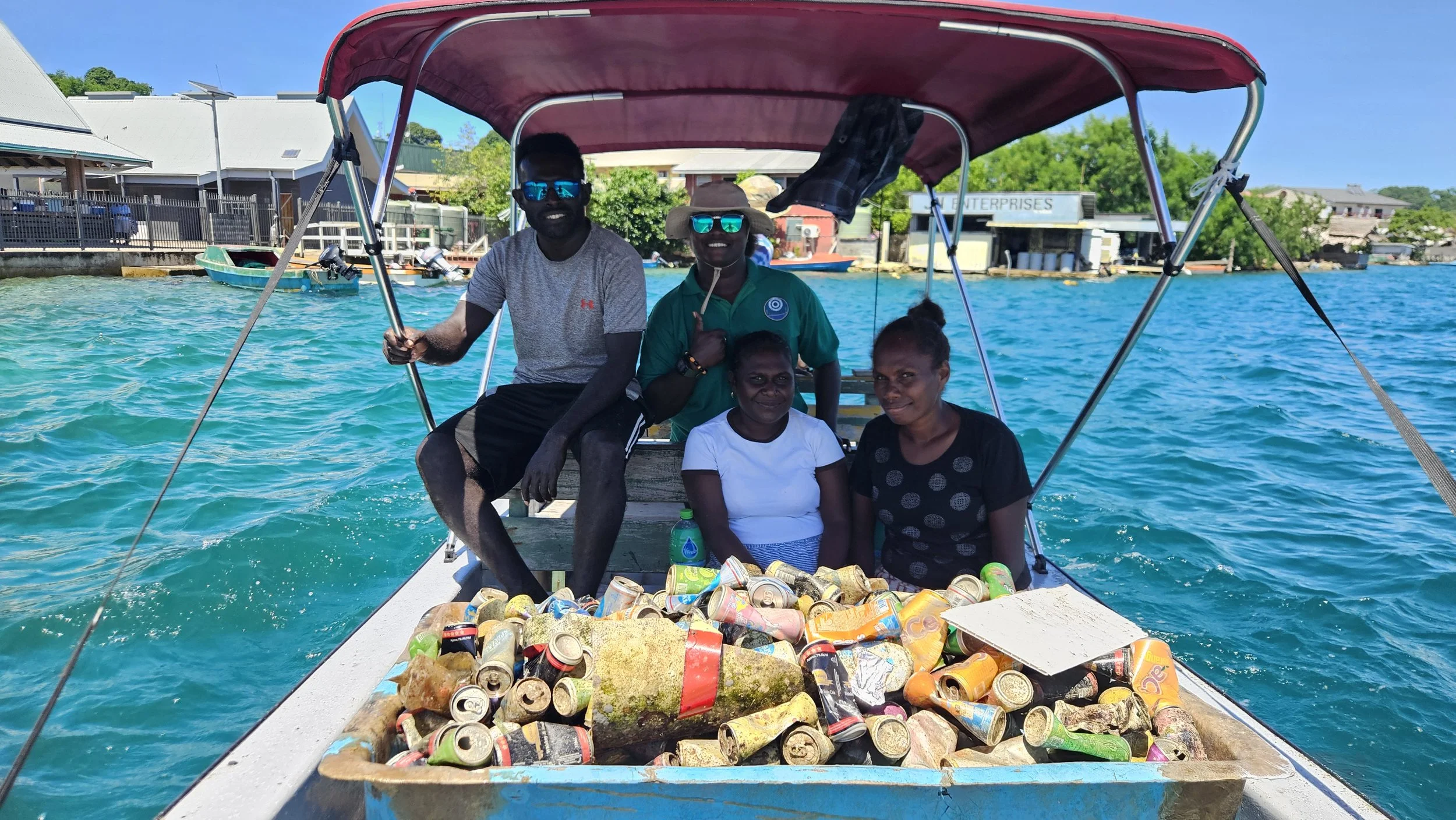
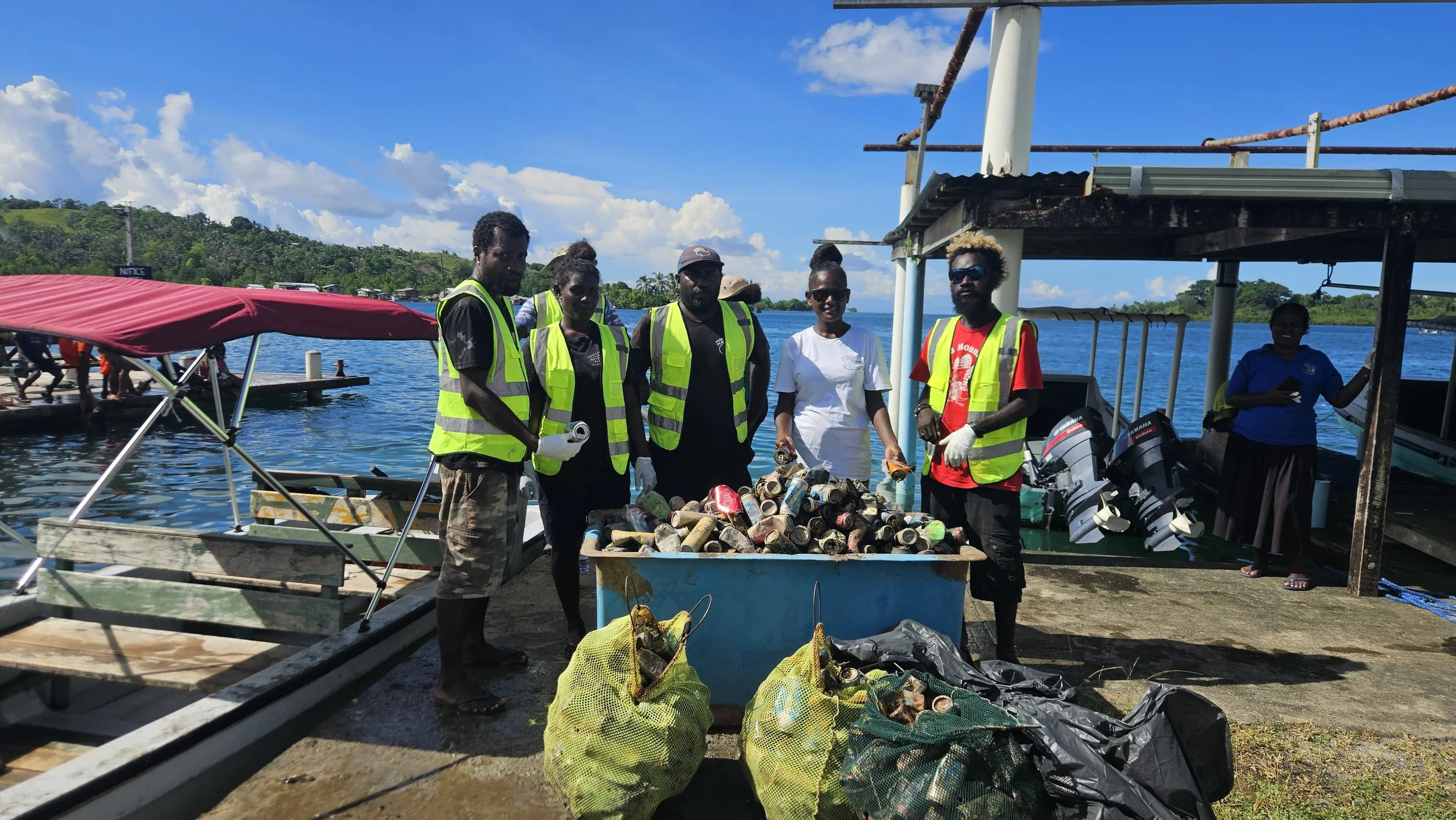
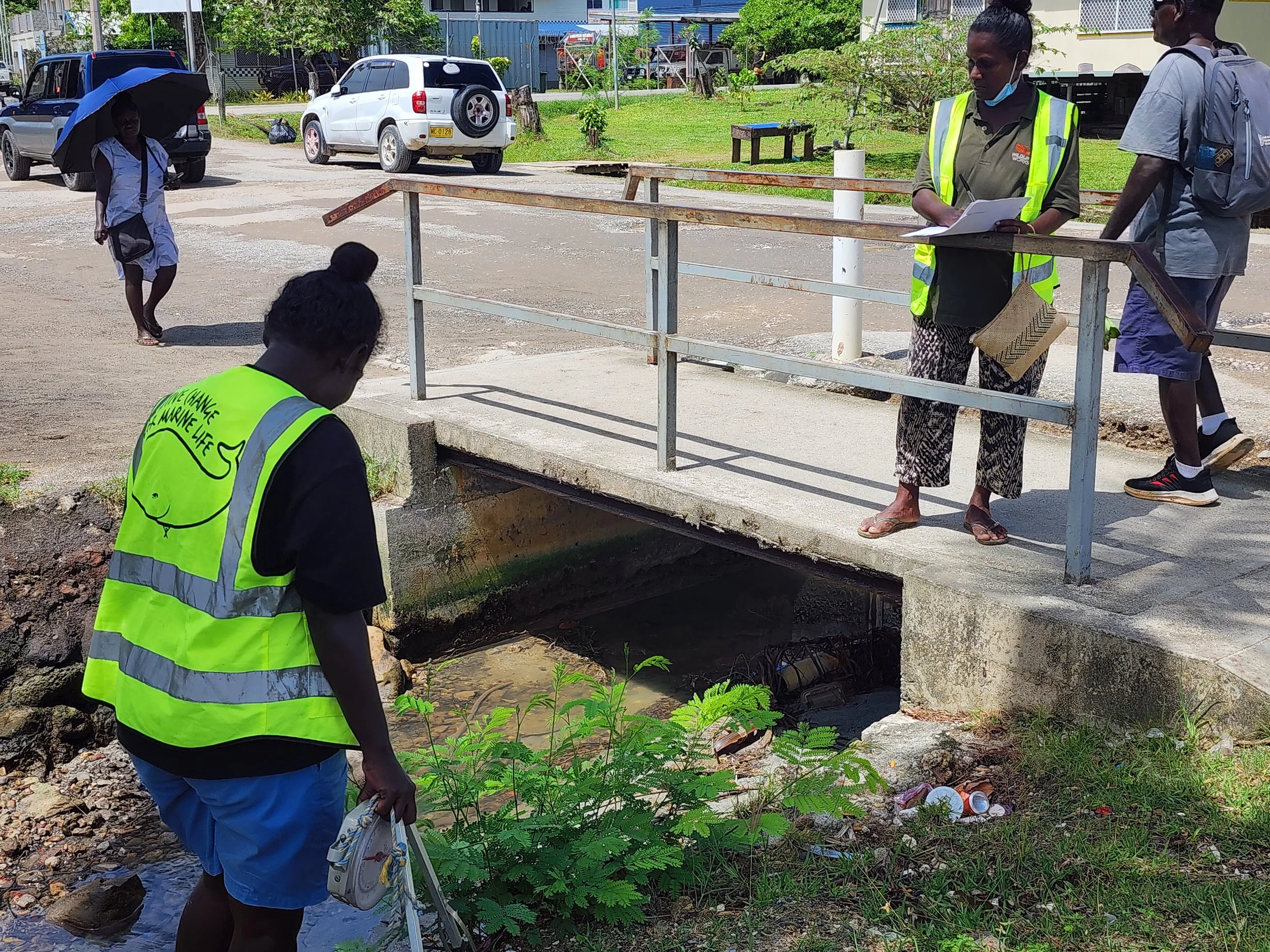
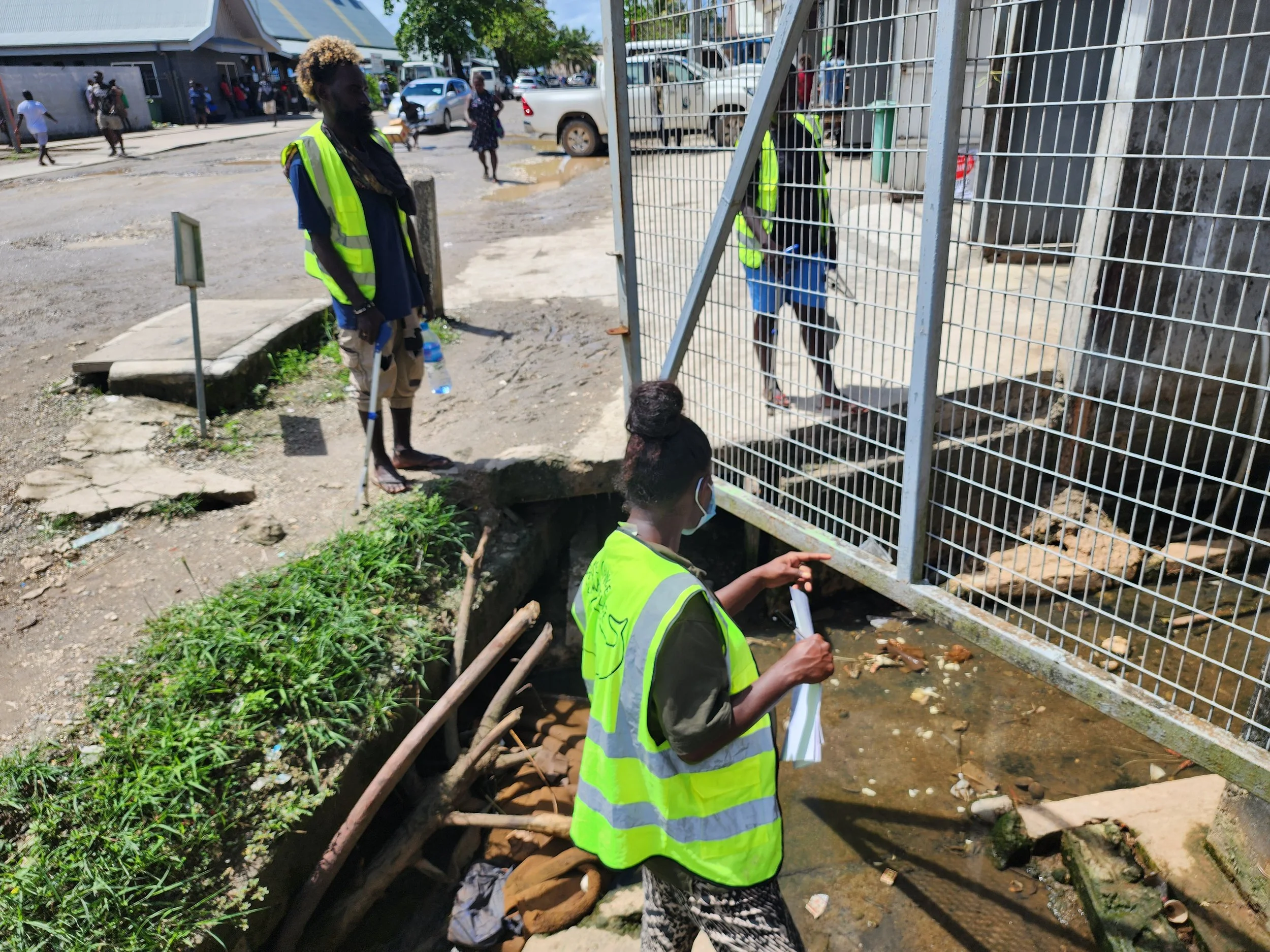
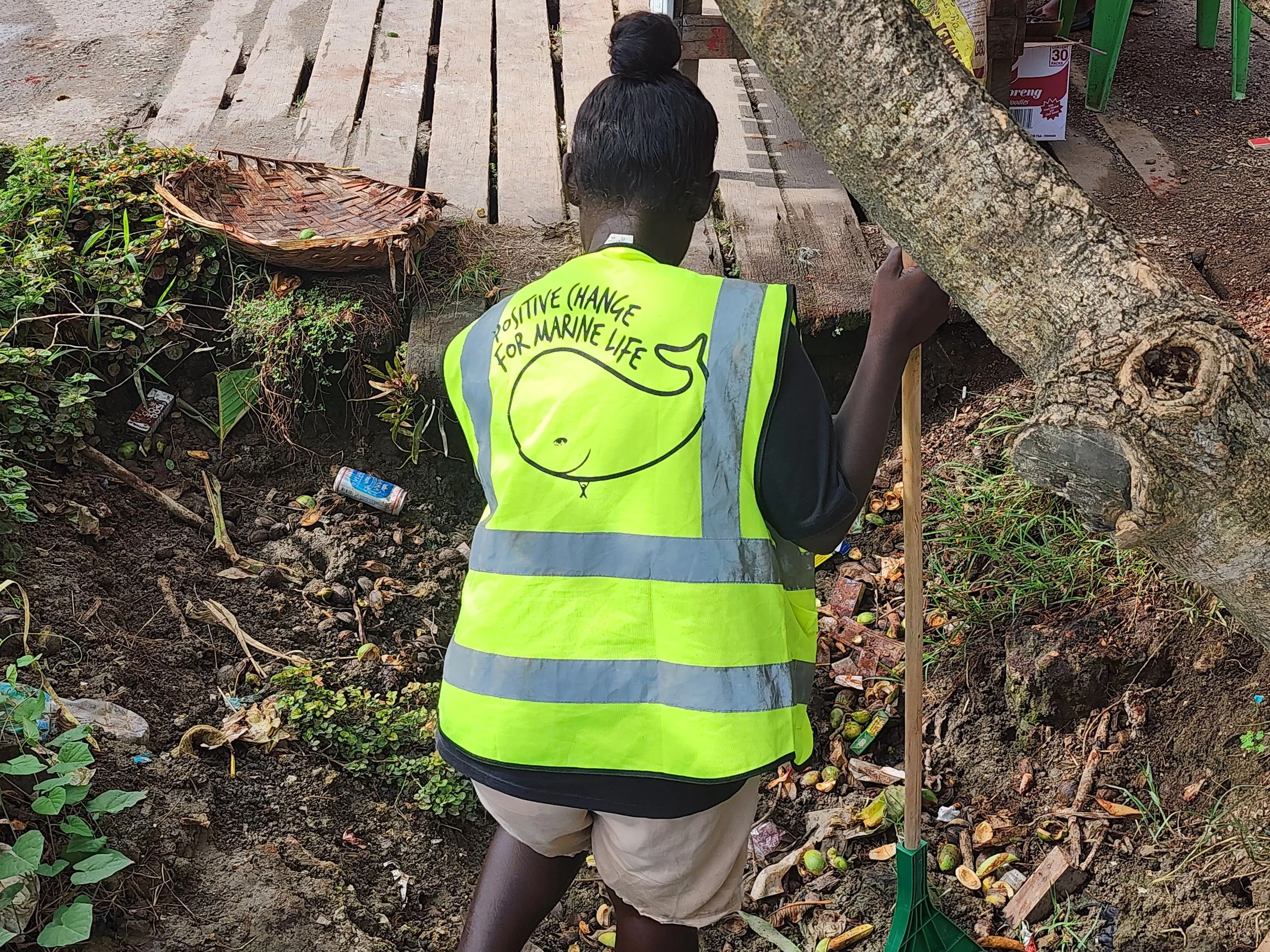
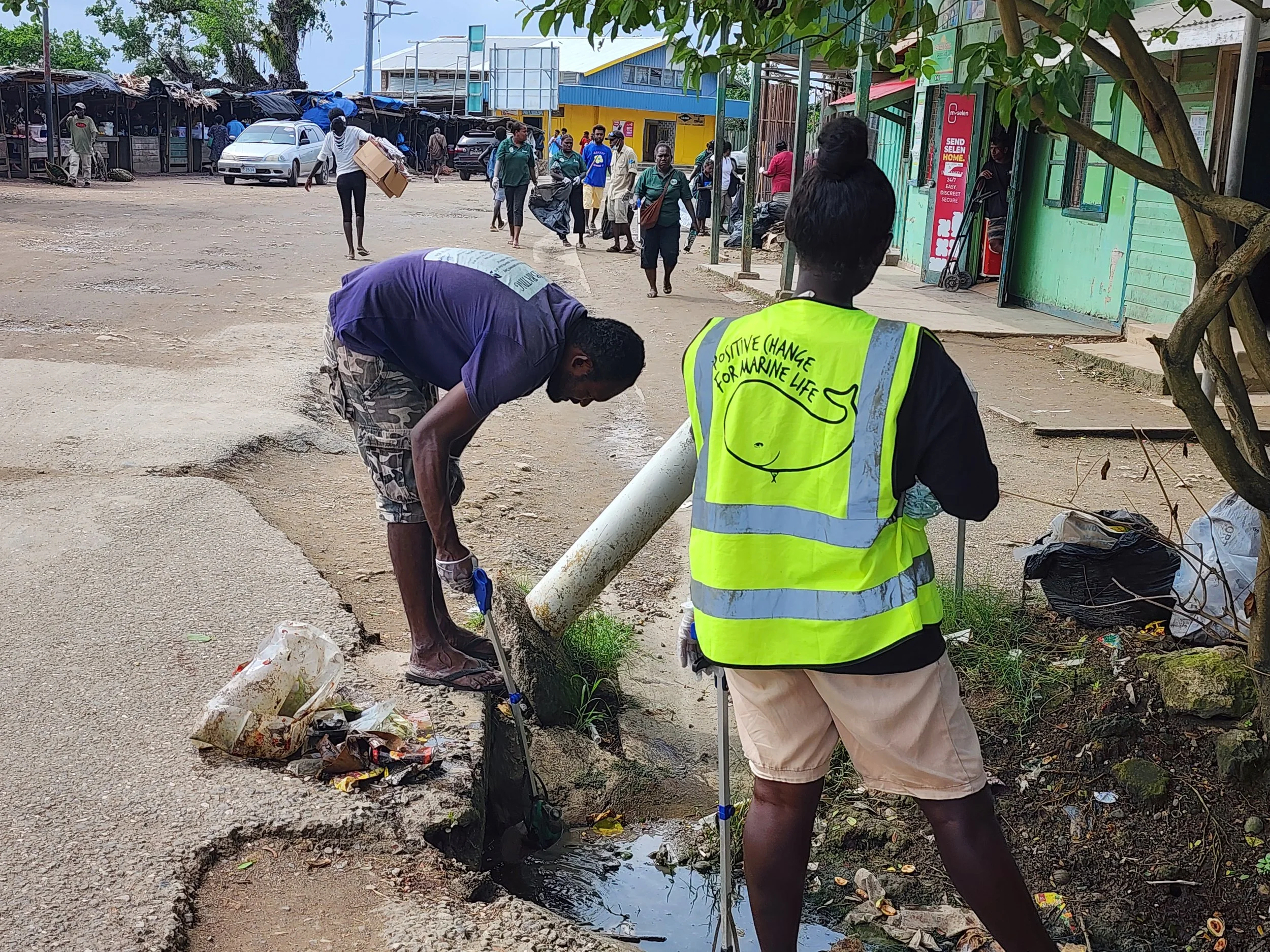
-Environmental protection: Continued targeted waste awareness, drain audits and marine clean-up activities to address pollution affecting Gizo's coastal environment.
While they were unable to restore the full W2W service originally supported through USAID, TFN funding enabled them to retain essential local capacity and continue practical activities that would otherwise have been at risk. Importantly, this period has led to a greater focus on Gudfala Fly as a practical foundation for sustainable organic waste management and future circular livelihood opportunities. Their longer-term objective remains to rebuild a financially sustainable, locally led Waste to Wealth model that integrates waste recovery, environmental protection and meaningful employment, particularly for women and young people in the Western Province.
Impact Story:
For Sumana Deni, the W2W Program Coordinator, the sudden termination of USAID funding in 2025 created significant uncertainty about her employment and the future of the program she had helped to build. At a time when PCFML were forced to suspend their regular solid waste collection service and significantly reduce operations, TFN funding helped them retain essential local staff, supporting their livelihoods and enabling them to continue leading environmental initiatives within their communities.
Sumana has continued coordinating Waste to Wealth activities, including community education, practical waste segregation training, waste recovery and sorting at their Waste Recovery Centre, drain audits and marine pollution prevention. Her work has also helped maintain engagement with local schools, community organisations and partners, including the development of a demonstration garden at Gizo Primary School.
For Tracy Silas, a young mother who left school early and struggled to find meaningful employment while supporting her young family, the funding helped to support a full-time role coordinating Gudfala Fly, their organic waste management and composting initiative. Her work has included Black Soldier Fly composting, community training and exploring opportunities to transform organic waste into valuable resources for local agriculture and future community enterprises.
Their experiences also speak to the broader importance of investing in women and girls across the Pacific. Sumana and Tracy show how access to meaningful employment, technical training, and leadership opportunities can strengthen women's economic independence and influence in their communities. Through their work with schools, women and young people, they are also helping create opportunities for the next generation of girls to see themselves as leaders in environmental protection, sustainable livelihoods and community development.
Together, their work has also contributed to marine clean-up activities, including the removal of 10,997 waste items from the Gizo Town seafront.
Beyond supporting their employment and families, TFN funding has helped Sumana and Tracy maintain the practical skills, local leadership and community relationships developed through Waste to Wealth implementation, while continuing to build their professional experience and lead meaningful environmental initiatives in the Western Province.
Learn more about Positive Change for Marine Life
Supporting Sustainable Development Goals: